At some point, growth stops being about pure effort. Early on, revenue is driven almost entirely by raw founder energy and initial hire momentum. Deals are closed through sheer tenacity, and procedural gaps are covered up by personal heroics. But as mid-market organizations hit critical inflection points—passing $10M, $25M, or $50M in annual throughput—that dynamic shifts abruptly.
The Compounding Coordination Tax
Leadership teams begin noticing that top-line acceleration throttles despite maintaining proportional marketing spend. Pipeline looks statistically robust, yet deal velocity drops, handoffs between sales and service delivery break down, and executive revenue forecasts become increasingly speculative. The traditional corporate reaction is virtually universal: add more sales reps and layer middle management layers to govern the chaos.
Modernizing Core Systemic Interfaces
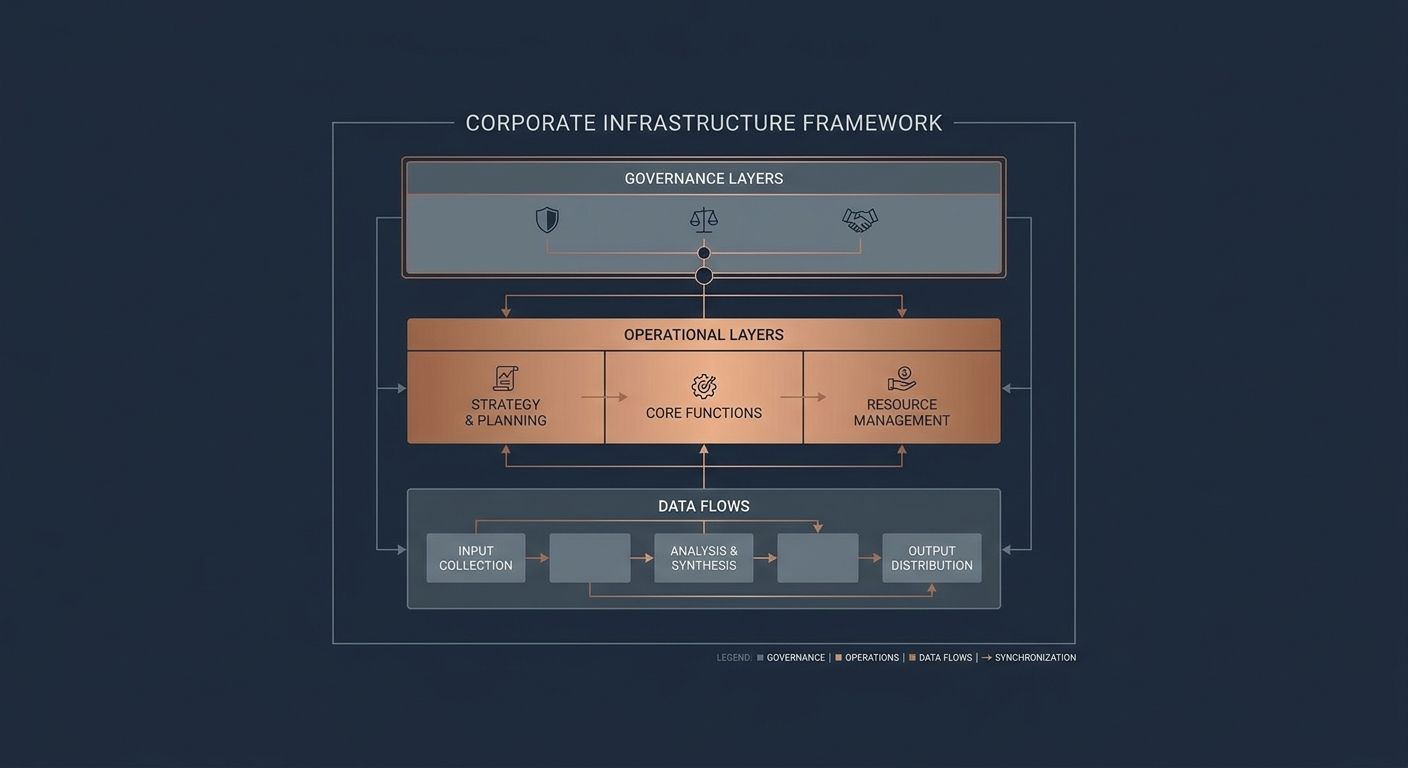
Solving this structural deceleration requires recognizing that human middleware is not an execution strategy. Instead of forcing highly bespoke service realities into rigid, off-the-shelf CRM configurations, companies must audit their underlying coordination layers. Implementing lightweight, AI-native automation rules directly within standard pipeline handoffs ensures that operational state synchronizes instantaneously across teams, permanently bypassing the manual coordination tax.